Guardrails: Building a Strategy Chart for a University Community
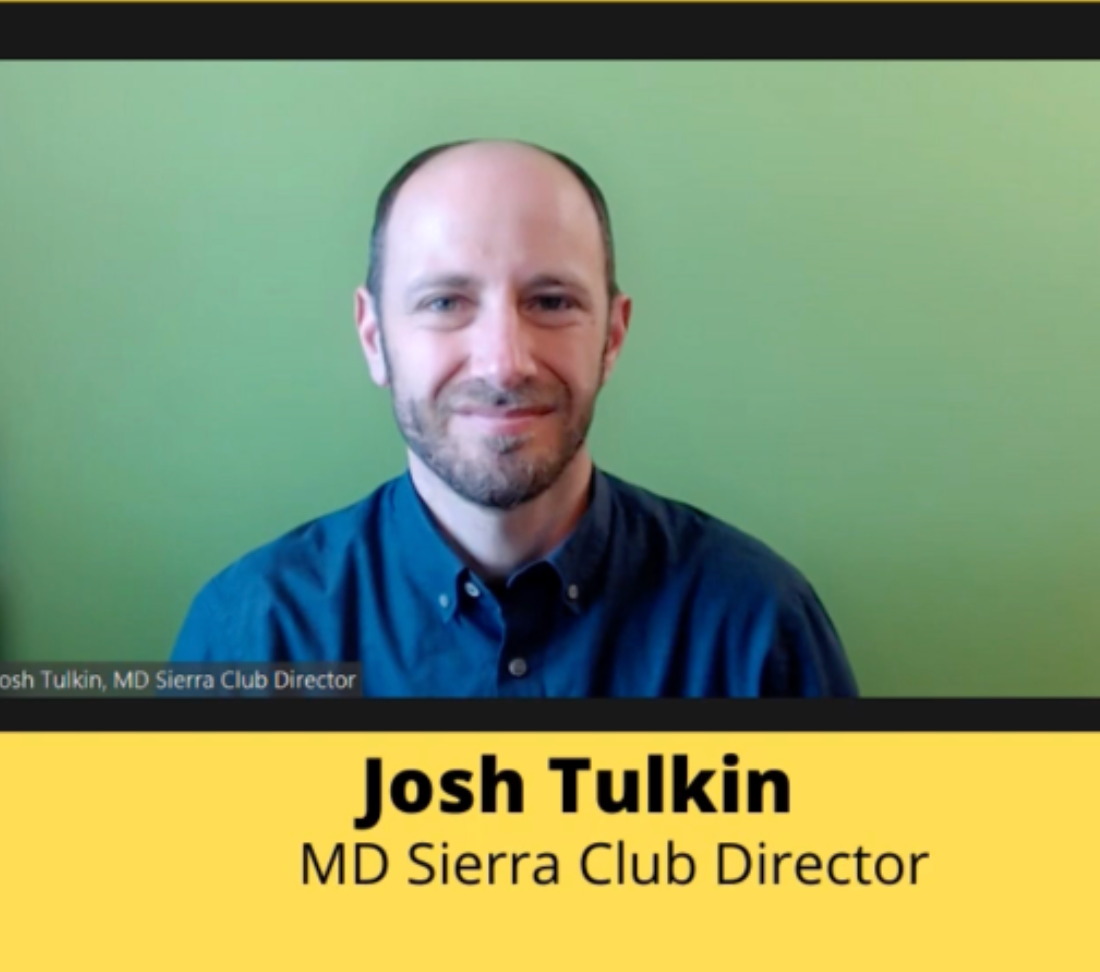
August 6, 1–3pm ET: Josh Tulkin on discovering resources you didn’t know you had
Tech support: info@actionthisday.net
A university community can look powerful from the outside.
But the real power is often hidden.
It may not be obvious at first that someone in the room knows a state legislator’s chief of staff. Or that a professor has a huge public platform. Or that an alum works inside a relevant agency. Or that a law clinic, a graduate student government, a retired public official, a donor, a journalist, a union contact, or a trusted local organizer could become decisive if the campaign were structured correctly.
This is why we are excited to host Josh Tulkin, Director of Sierra Club Maryland, on August 6, 1–3pm ET for a practical conversation on:
Building a Strategy Chart for a University Community: Discovering Resources You Didn’t Know You Had
Josh Tulkin brings deep experience in organizing, environmental advocacy, lobbying, volunteer leadership, and campaign strategy. A public profile says Josh serves as Director of the Maryland Sierra Club, leading paid staff and a much larger volunteer team in grassroots advocacy, community organizing, and state and county-level work. Maryland lobbying records list him as Director, Sierra Club Maryland Chapter.
This conversation is about how people who are connected to universities can stop thinking vaguely about “networks” and start asking much sharper questions:
Who exactly do we know?
Who do they know?
Who has the power to give us what we want?
Who can influence that person?
What resources do we already have?
What do we still need?
What campaign could actually be won?
What first step would make the next step easier?
What might we work on?
We do not yet know what concrete example Josh will help us think through.
One possibility is State-Level Democracy Defense, including support for the Fight Against Federal Overreach / FAFO idea. Another possibility may emerge from the group or from Josh’s judgment about what would be most useful.
The important point is not to pretend we already know the answer.
The important point is to learn how an experienced organizer would help a university-connected group think.
How do we move from a general fear about democracy to a concrete campaign?
How do we avoid making a list of good ideas that never become organized power?
How do we discover which relationships matter?
How do we decide what is winnable?
How do we choose tactics that build capacity instead of just consuming energy?
How do we make the campaign stronger after each step?
What we hope to learn from Josh
This session is for people who want more than inspiration.
We want to understand how organizers think.
We want to understand how a university community can look at itself as a living map of relationships, power, knowledge, credibility, access, and resources.
We want to understand how to turn that map into action.
A good strategy chart does not magically win a campaign. But it can change the quality of the conversation. It can make weak assumptions visible. It can reveal missing information. It can show where the real target is. It can uncover allies no one had thought to ask. It can help a group see whether it is building power or merely performing concern.
For people who want to defend freedom, democracy, and the rule of law, that distinction matters.
Who should attend
This conversation is for people with university connections who want to become more effective.
It will be especially useful for people who are thinking about democracy defense, state-level action, legal accountability, voting rights, civic organizing, public education, volunteer training, or rapid response to threats against democratic self-government.
You do not need to arrive with a finished plan.
In fact, the whole point is to learn how a serious organizer helps a group move from scattered concern toward a real plan.
Sign up for the series
Josh Tulkin’s conversation is part of a broader Action This Day conversation series on how university communities can defend freedom, democracy, and the rule of law through practical, near-term action.
Please sign up for the series here.
And please share the conversation series with people in your university networks who want to help discover what power they may already have—and how to use it wisely.
Get the zoom details here and reserve your seat!
A strategy chart is a map of power
The strategy chart framework is a practical organizing tool. It helps a group map its goals, constituents, allies, opponents, targets, tactics, timeline, and resources.
That may sound simple.
It is not simple.
Done well, a strategy chart forces a group to become much more honest.
It asks you to distinguish between a value and a goal.
Between a goal and a target.
Between a target and an ally.
Between an ally and a constituent.
Between an action that feels good and a tactic that actually moves the target.
It asks not only, “What do we believe?”
It asks:
What are we trying to win, who can give it to us, and what power do we have over them?
That is a very different conversation.
Discovering resources you didn’t know you had
The point is not merely that universities contain students, faculty, alumni, donors, professional schools, campus groups, and research centers.
Everybody knows that.
The interesting question is much more specific.
Who exactly do we know?
Who can they call?
What office can they reach?
What institution trusts them?
What audience listens to them?
What credibility do they bring?
What meeting could they get?
What funding could they unlock?
What question could they answer?
What legal, technical, organizing, communications, or political capacity could they bring to a campaign if someone asked clearly?
A strategy chart helps a university-connected group discover specific leverage paths.
It might reveal that one alum knows a prosecutor.
One professor has a huge public platform.
One trustee has access to a governor.
One law clinic can support a legal strategy.
One student organization can fill a room.
One donor can fund staff.
One retired public official can make an introduction.
One organizer can train volunteers.
One journalist can tell the story.
One institution can give legitimacy to an idea that previously sounded marginal.
That is the kind of discovery we want this session to make possible.